
HOW YOUR SLEEPWEAR CAN CHANGE THE WAY YOU REST
When people think about improving sleep, they usually focus on the mattress, pillows, bedding, lighting, or room temperature. Sleepwear is often treated as an afterthought, even though it remains closer to the body than almost anything else throughout the night. Pajamas cannot guarantee better sleep or solve an underlying sleep problem, but they can influence whether the body feels cool, unrestricted, and comfortable enough to settle into rest.
Temperature plays an important role in the sleeping environment. As bedtime approaches, the body naturally begins to cool, and excessive warmth can make it harder to remain comfortable. Lightweight, breathable sleepwear allows heat and moisture to move away from the skin more easily, while dense or poorly ventilated fabrics may trap warmth beneath the bedding. The right choice depends on the season, room temperature, bedding weight, and whether the wearer naturally sleeps warm or cold.
Fit matters just as much as fabric. The body changes position repeatedly during the night, moving the shoulders, bending the legs, turning at the waist, and shifting beneath the covers. Sleepwear that feels comfortable while standing may become restrictive after several hours in bed. Tight waistbands can press into the body, narrow sleeves can pull across the shoulders, and poorly proportioned trousers may twist or gather around the legs. A relaxed silhouette gives the body enough space to move naturally without becoming excessively loose or difficult to manage.
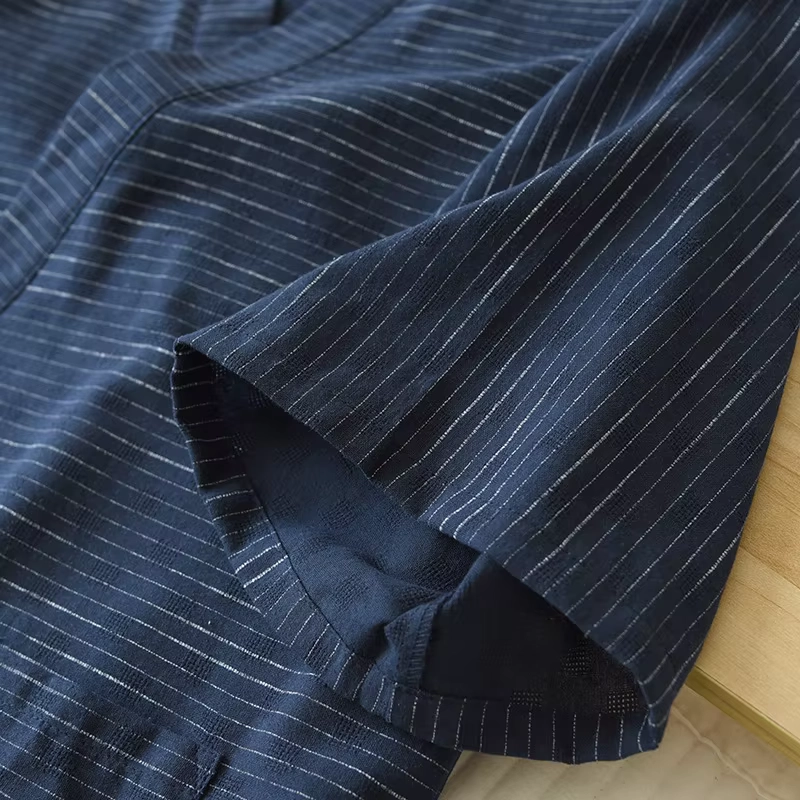
Smaller construction details can also change the experience of rest. Rough labels, raised seams, rigid fastenings, and bulky decorative elements may create friction against the skin. These sensations can become more noticeable when the body remains in one position for a long time. Smooth finishes, comfortable waistbands, and uncomplicated shapes help the garment feel less intrusive, allowing attention to move away from what is being worn.
Sleepwear can also support the transition from daytime activity to nighttime rest. Changing out of work clothes or outdoor clothing creates a clear boundary between the demands of the day and the quieter hours that follow. When repeated regularly, this simple habit can become part of an evening routine that tells the body it is time to slow down. The value is not only physical comfort, but also the feeling of leaving behind the roles, pressure, and pace carried throughout the day.
Choosing suitable sleepwear is therefore not about finding one universally perfect material or style. Someone who overheats easily may prefer lighter fabrics and shorter silhouettes, while a person who feels cold may need more coverage. Skin sensitivity, sleeping position, personal preference, and seasonal changes should all influence the choice. The best sleepwear is the option that maintains comfort without creating noticeable heat, pressure, or restriction.
Care also affects how sleepwear performs over time. Fabrics may become rougher, lose their shape, or feel less breathable when washed at unsuitable temperatures or exposed to excessive heat. Following the garment’s care instructions can help preserve its softness, surface feel, and fit. Rotating between several sets also allows each piece to be washed and rested regularly, keeping the bedtime experience feeling fresh and comfortable.
Sleepwear is only one part of a healthy sleep environment. Stress, health, routine, noise, light, temperature, and bedding may all have a greater influence on sleep quality. Still, the layer that stays against the skin for several hours deserves more consideration than it often receives.
The right pajamas do not need to make themselves noticed. Their value lies in reducing the small distractions that can make rest feel less natural—trapped heat, tightness, friction, and limited movement. When those distractions are removed, the body has one less reason to remain uncomfortable.
Your sleepwear may not control the night, but it can change the conditions in which the night unfolds. And sometimes, better rest begins by making the body feel more at ease in the hours that matter most.