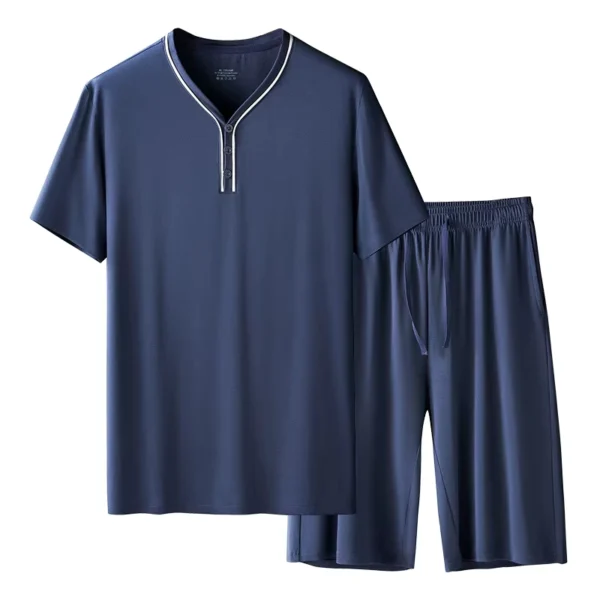
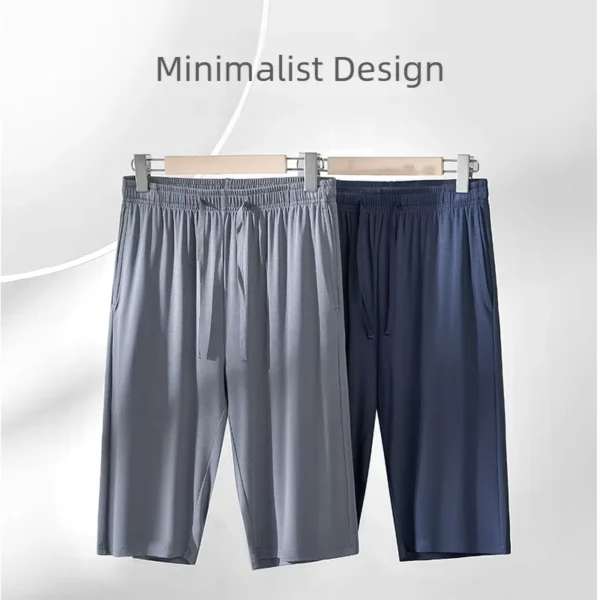
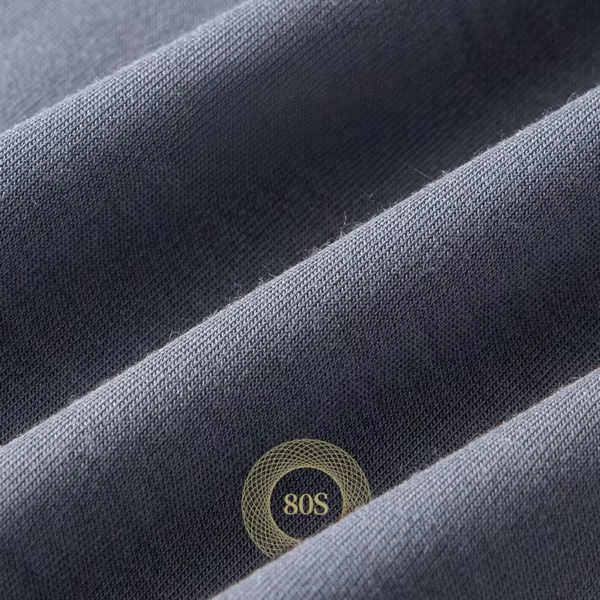
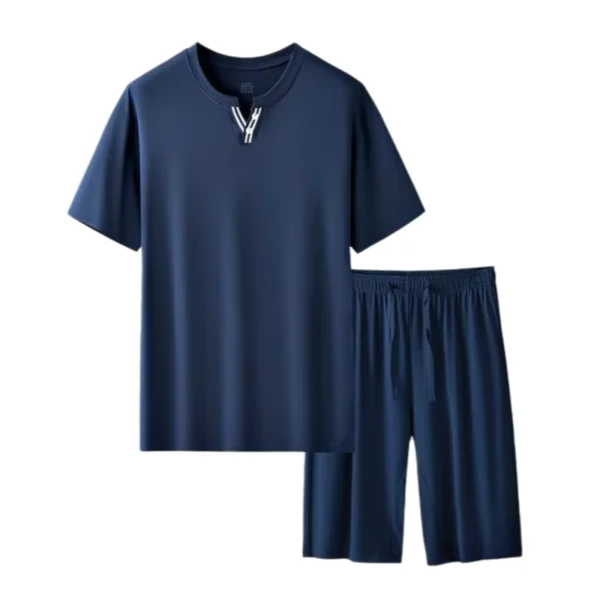
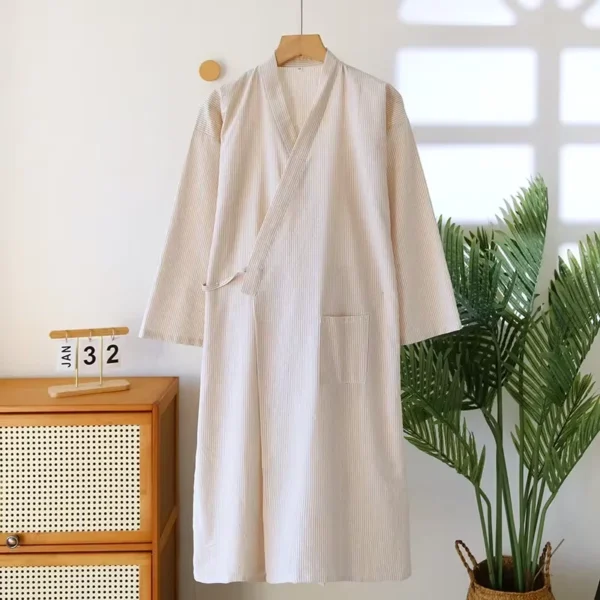
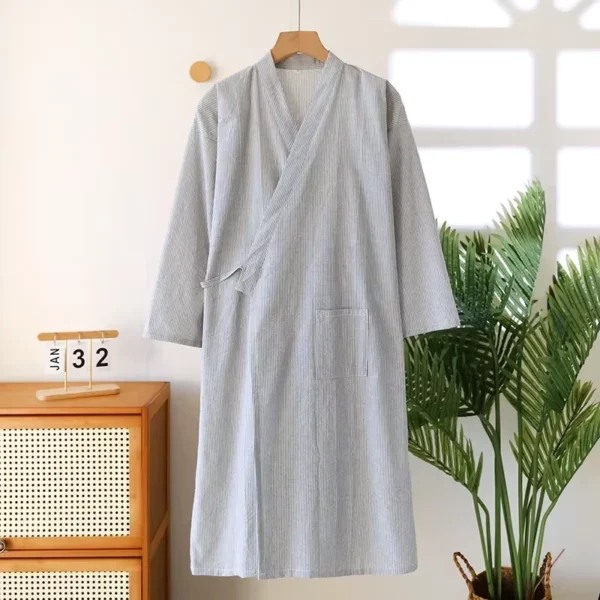
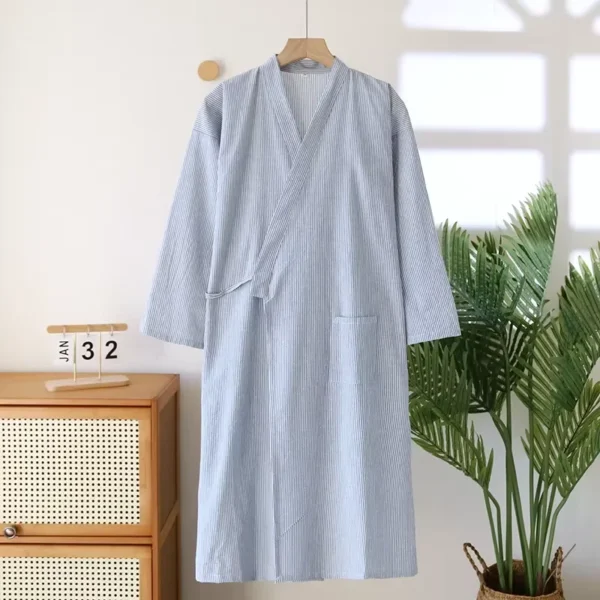
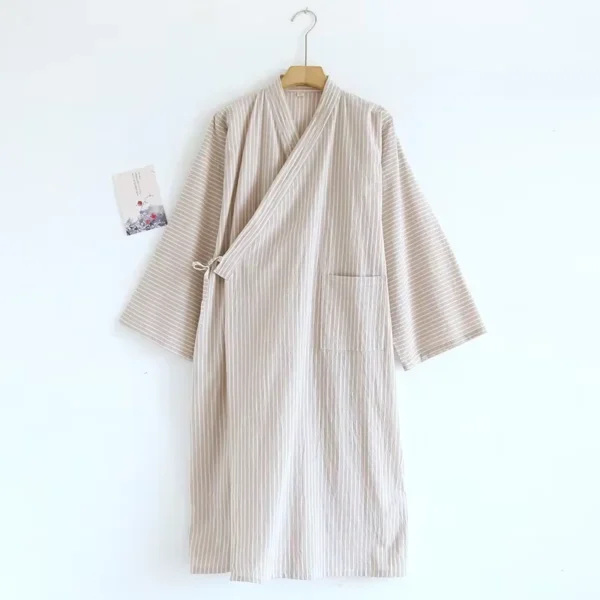
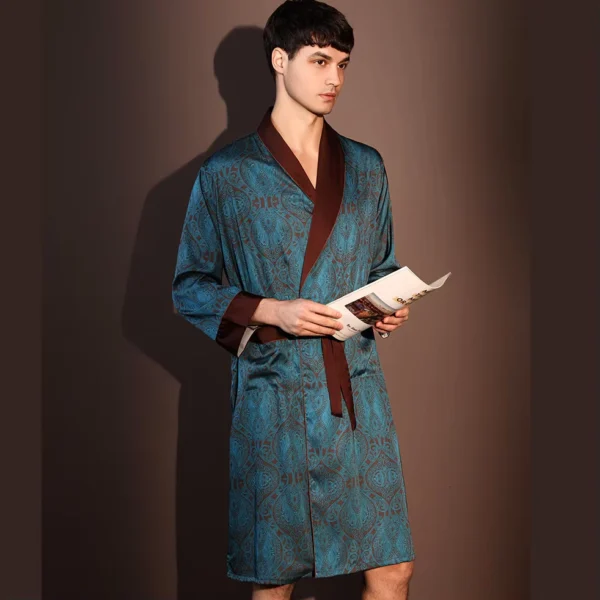
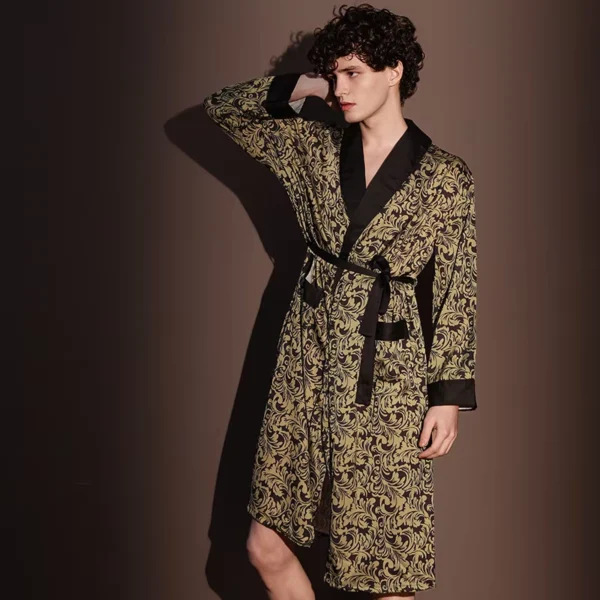
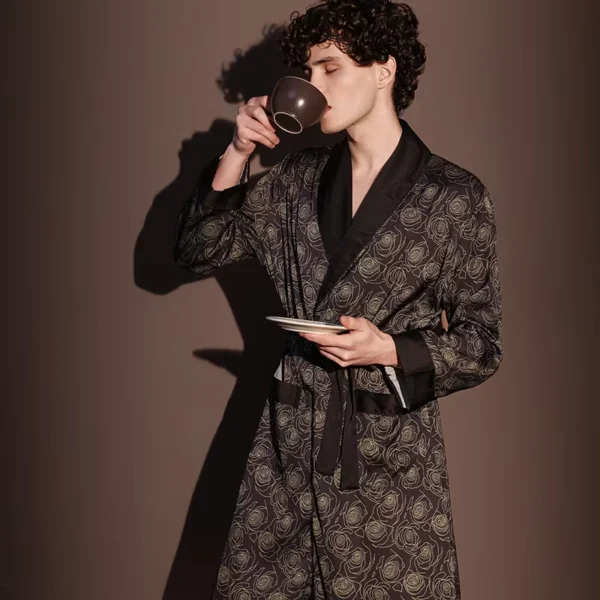
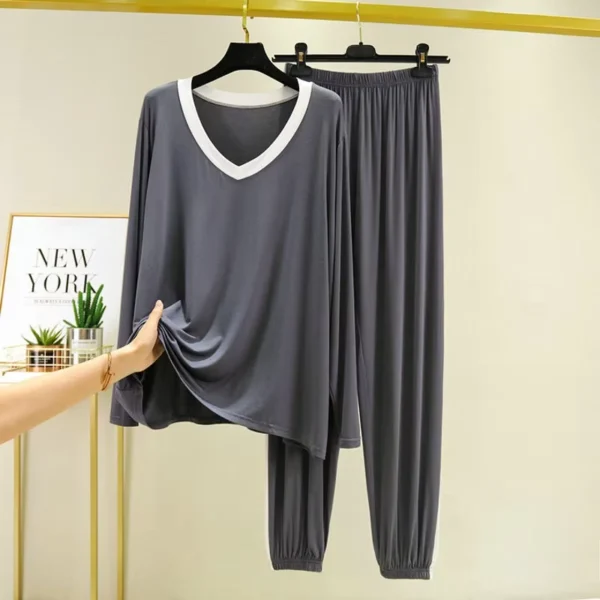
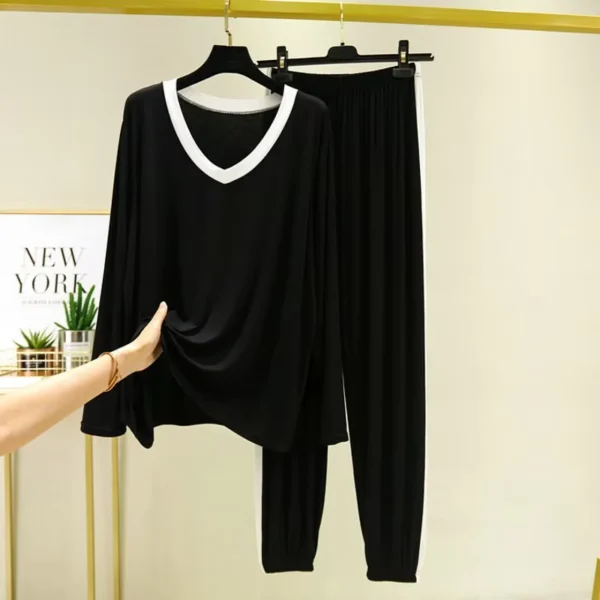
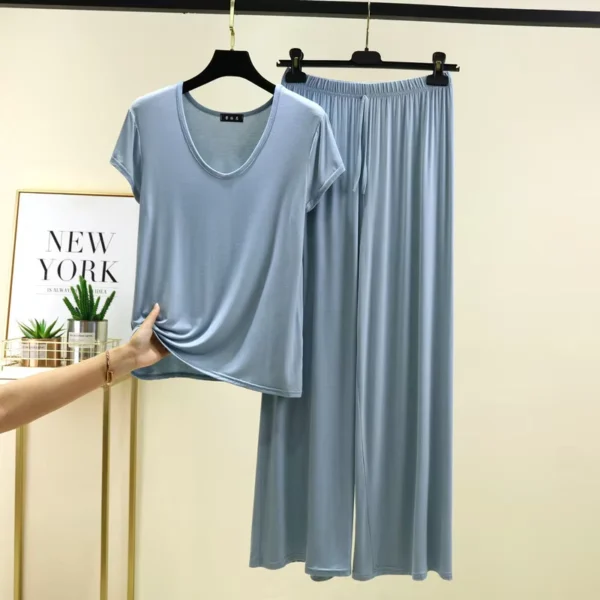
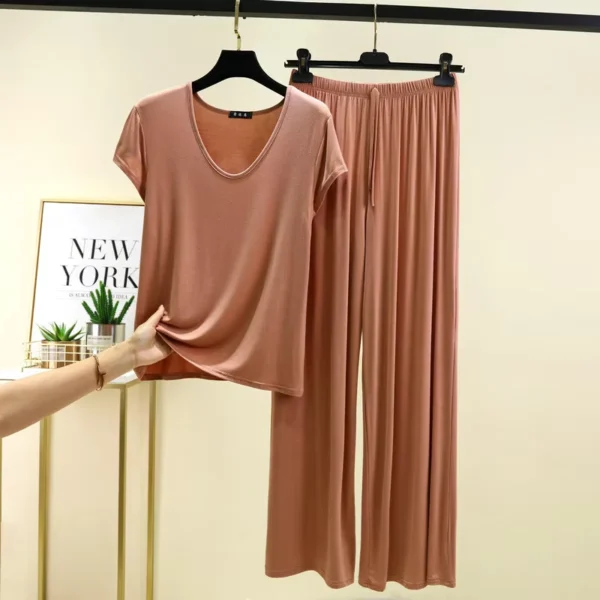
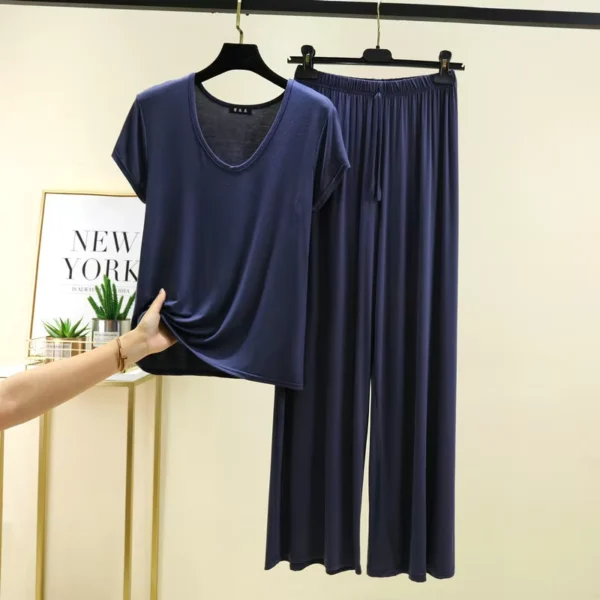
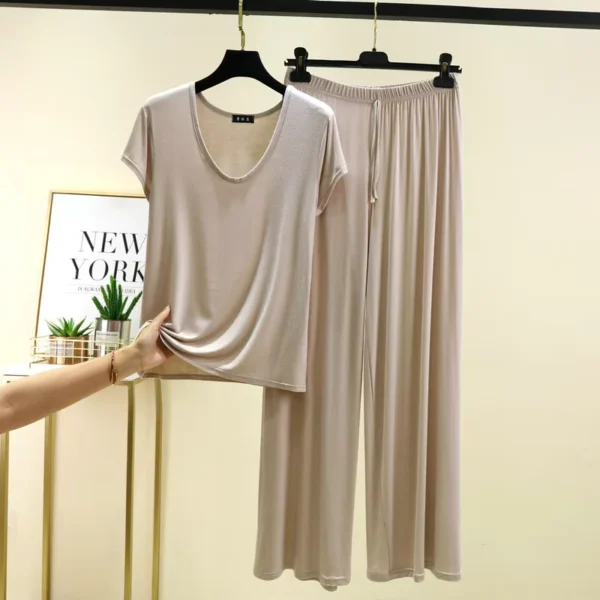
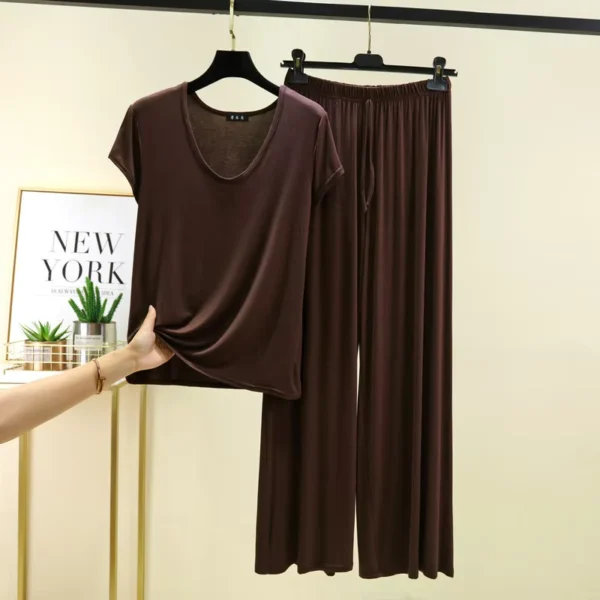
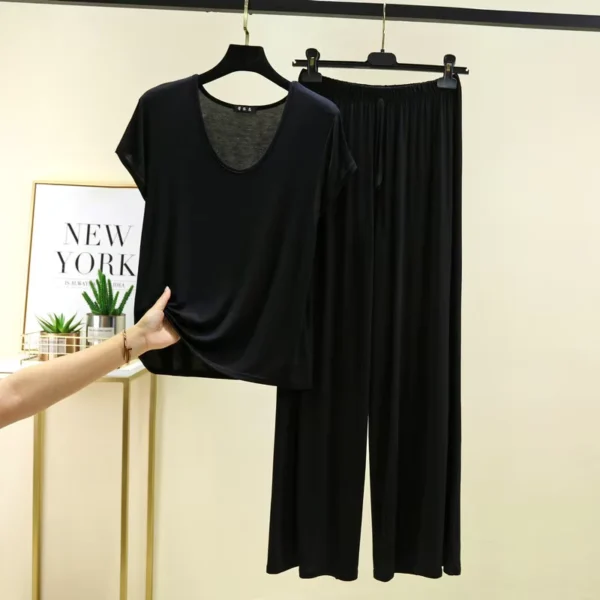
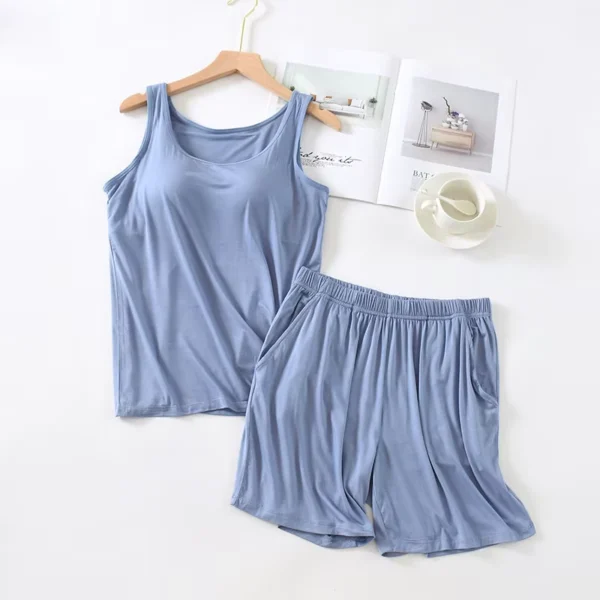
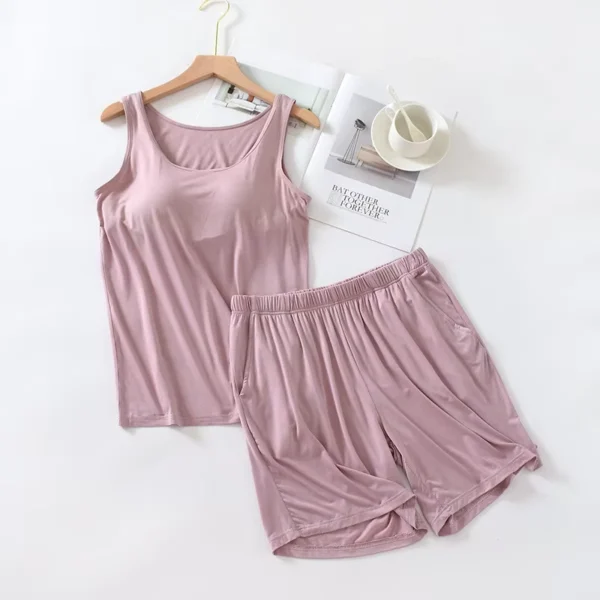
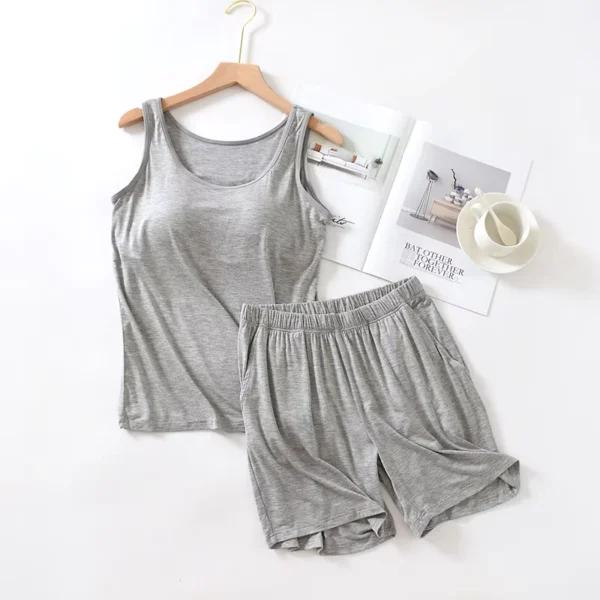
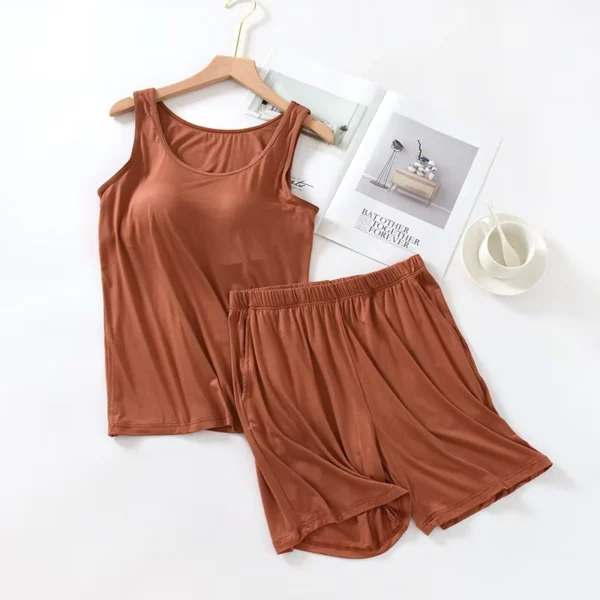
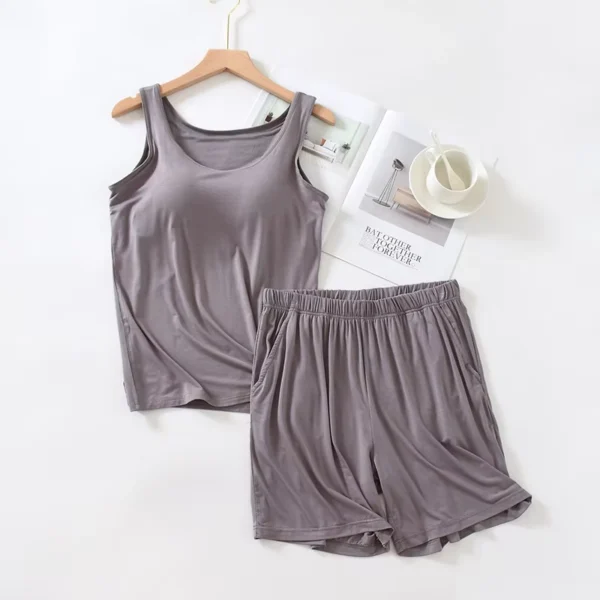
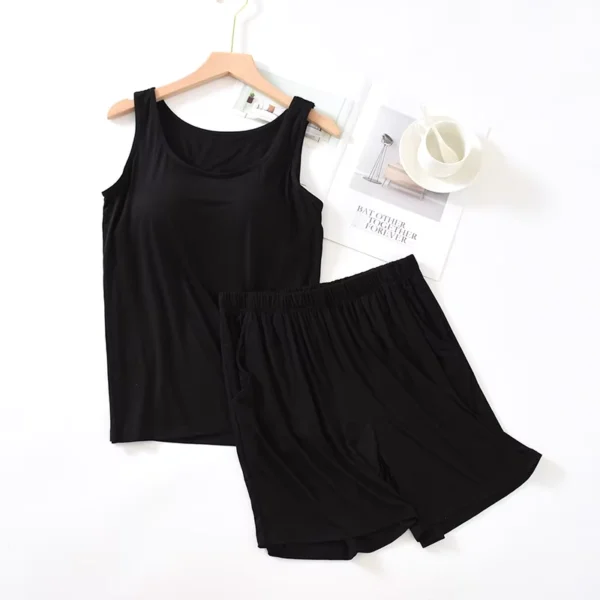
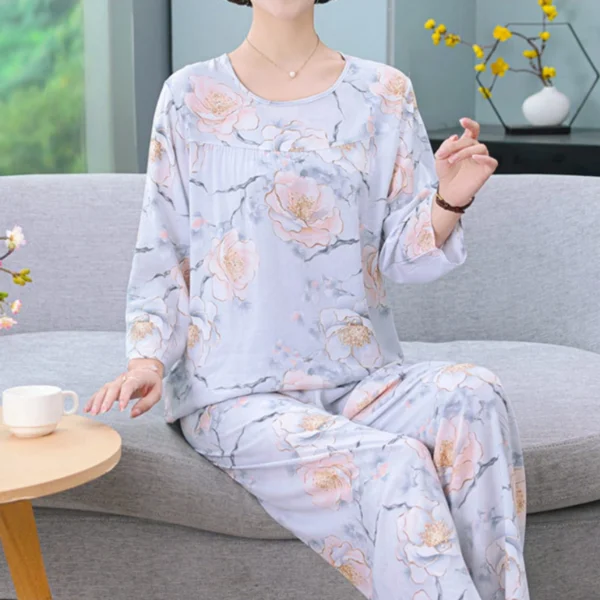
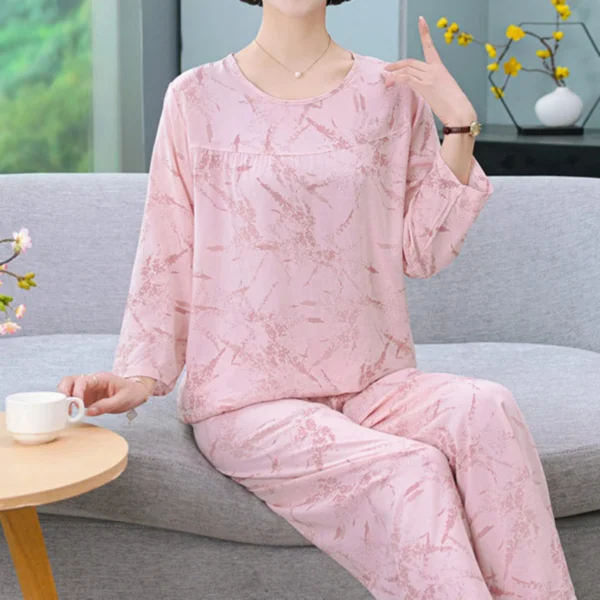
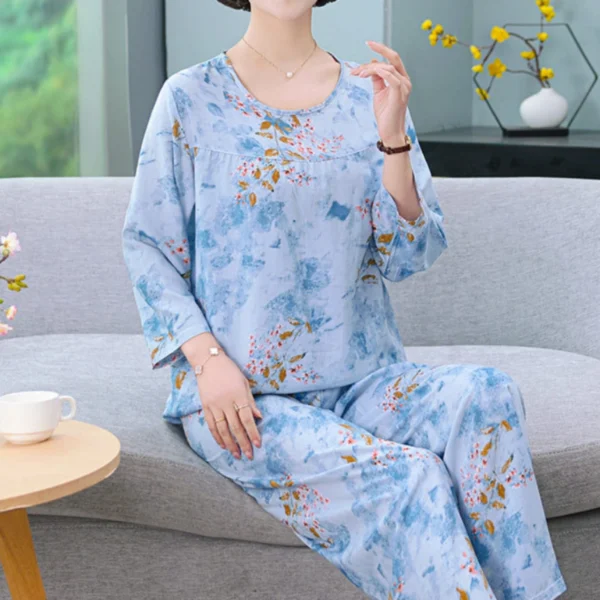
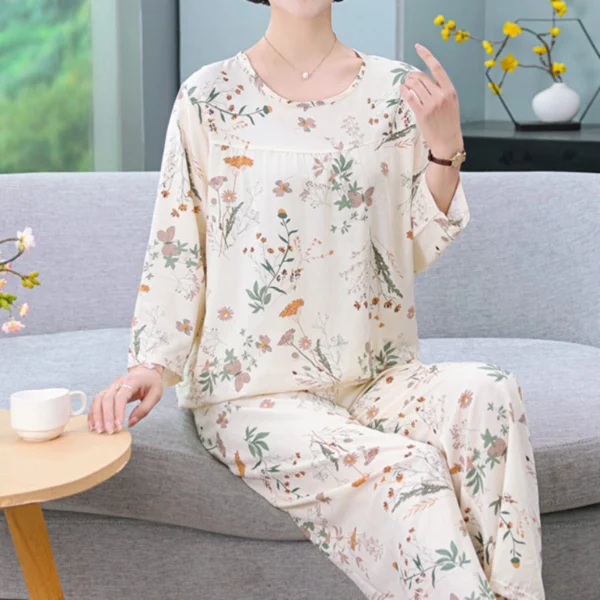
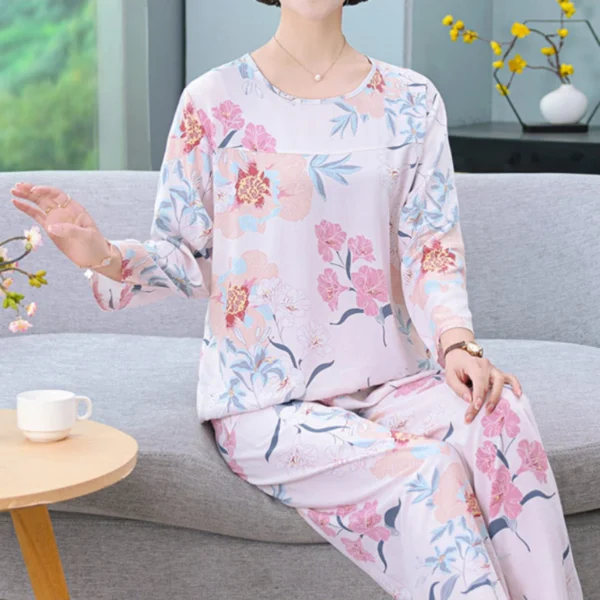
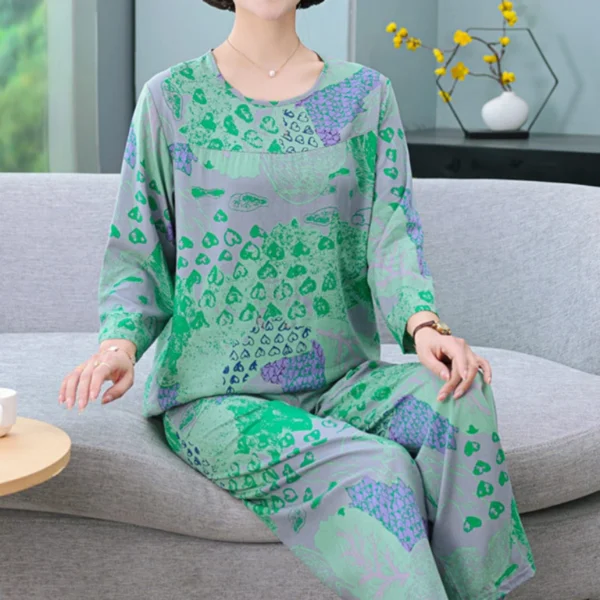
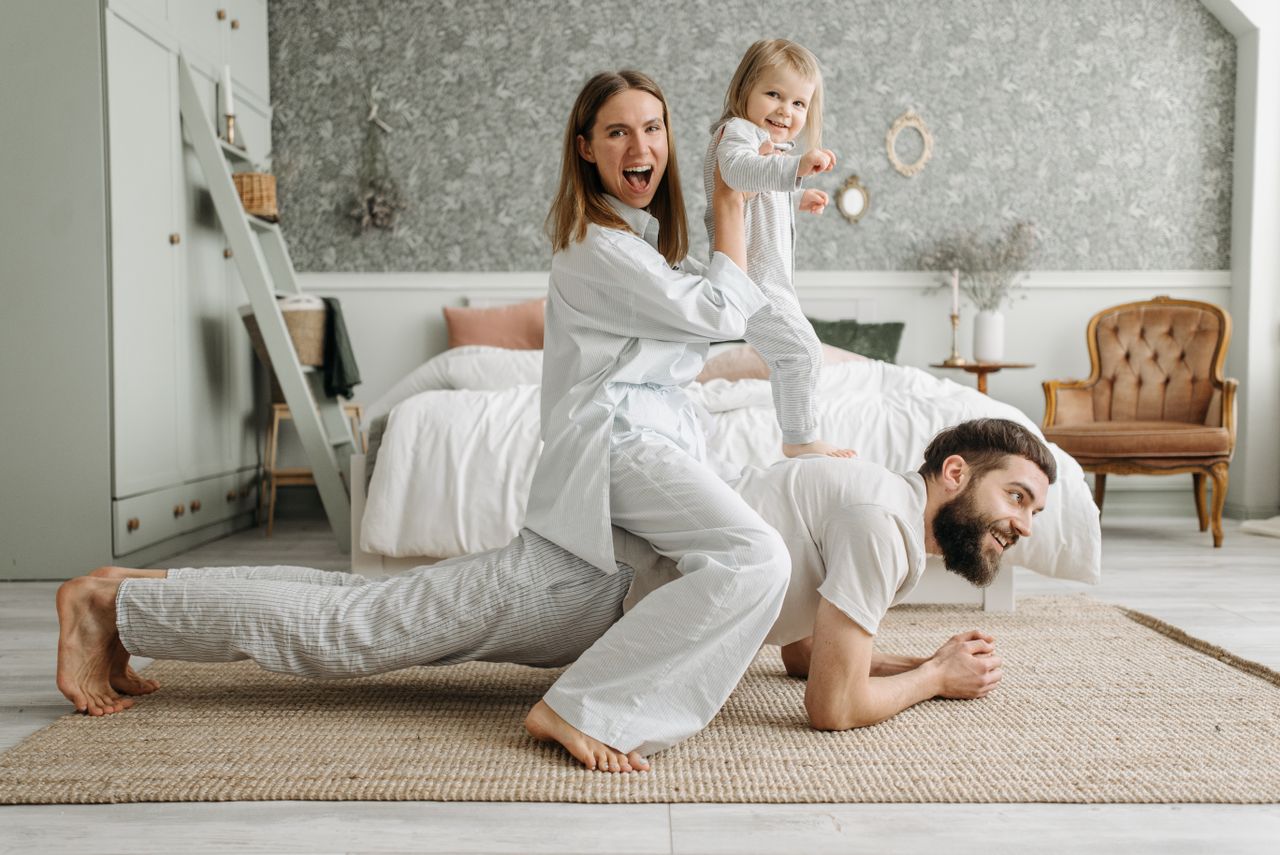
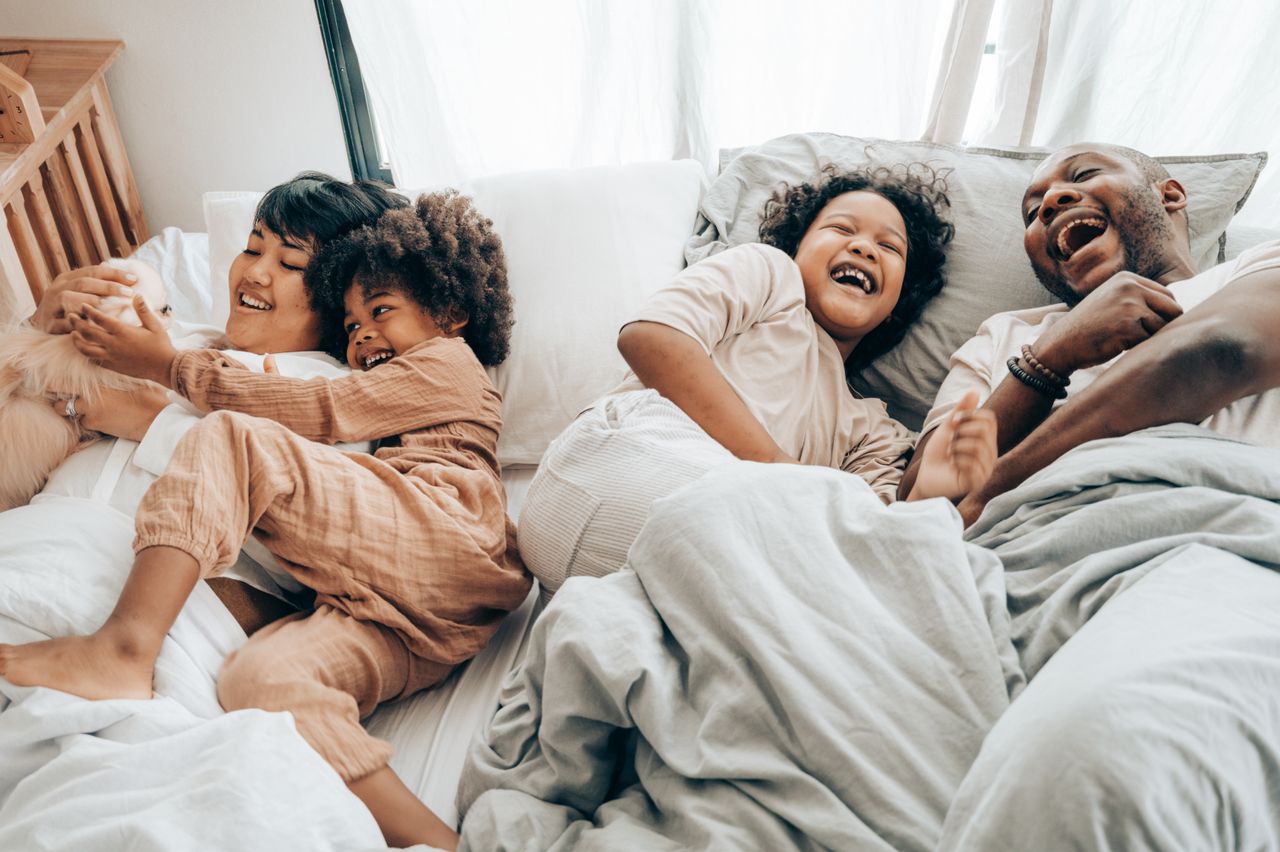
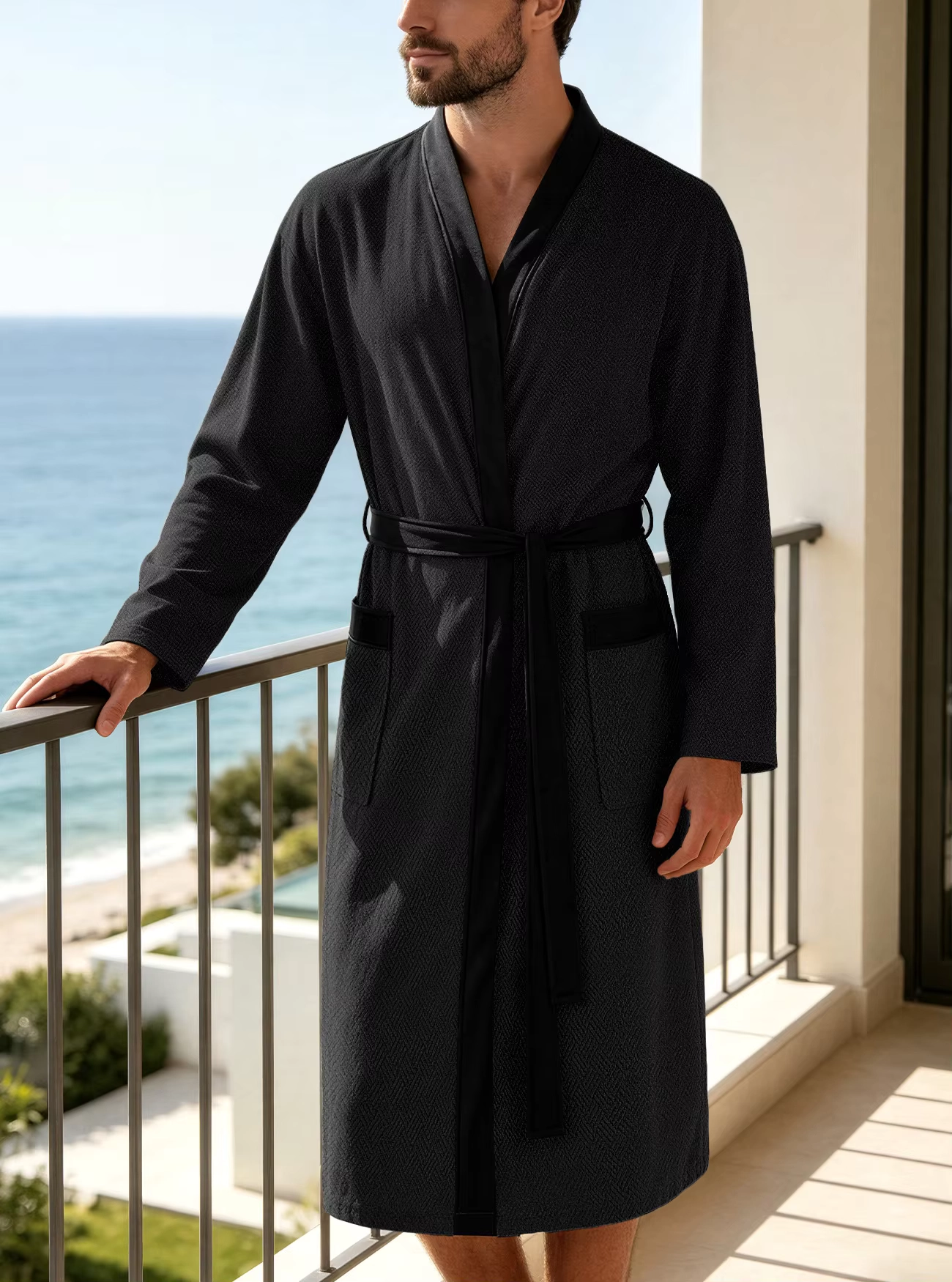
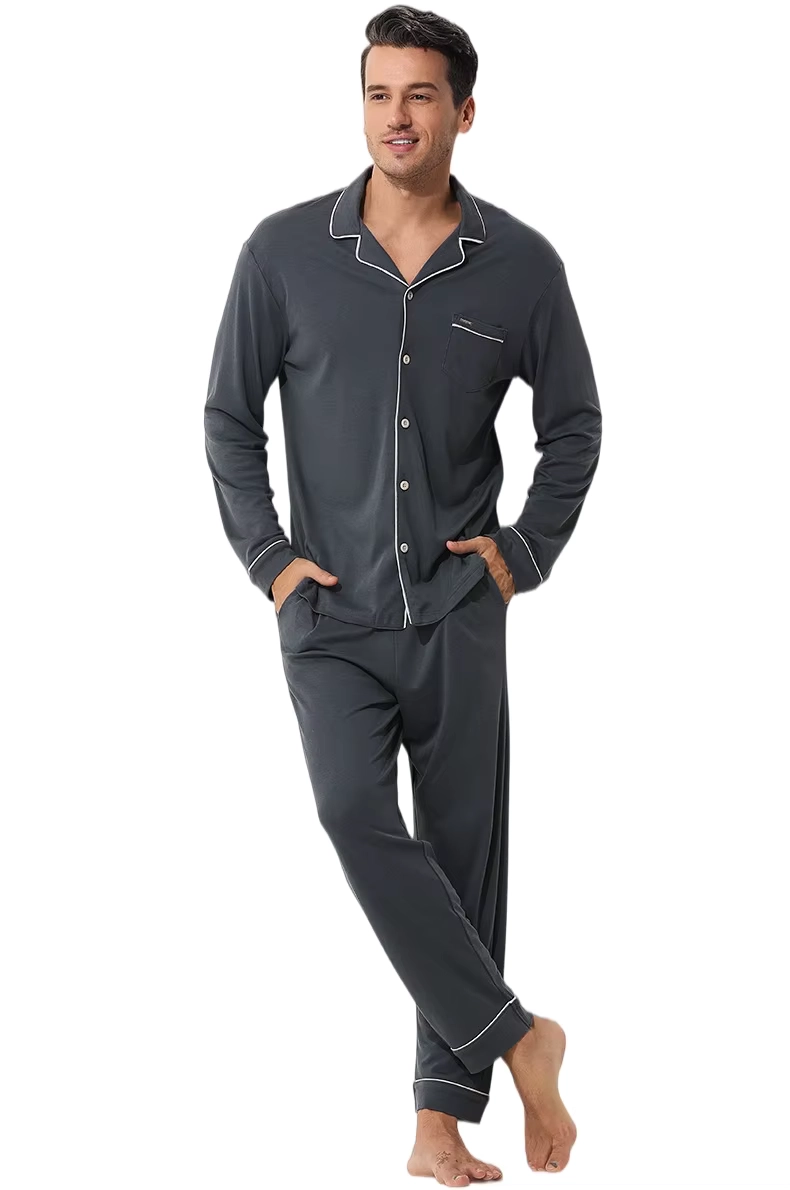
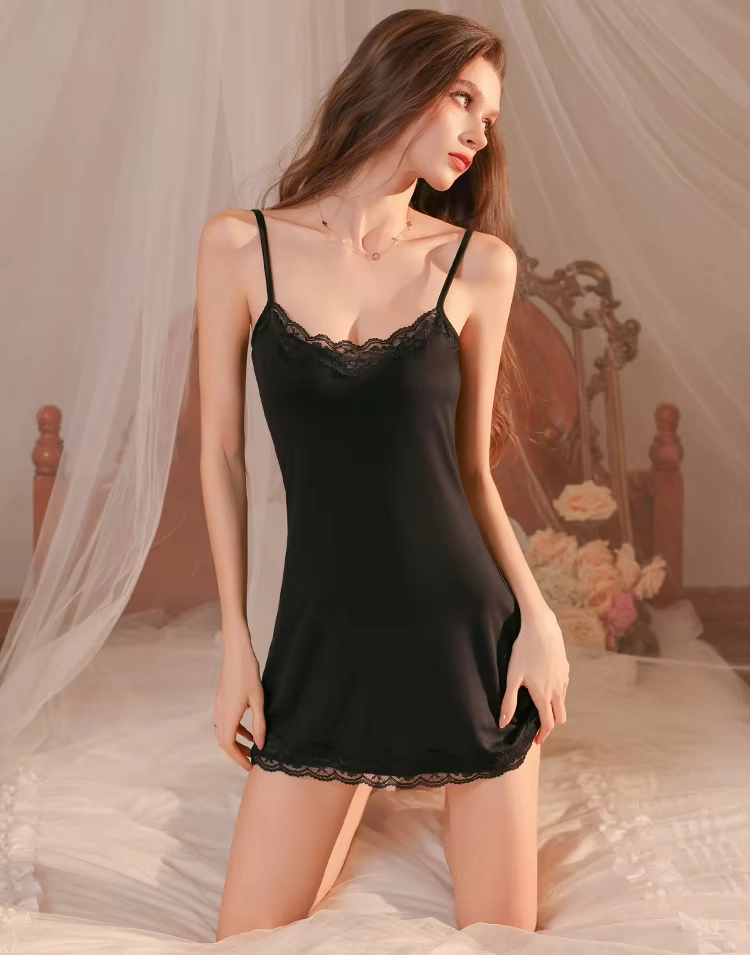
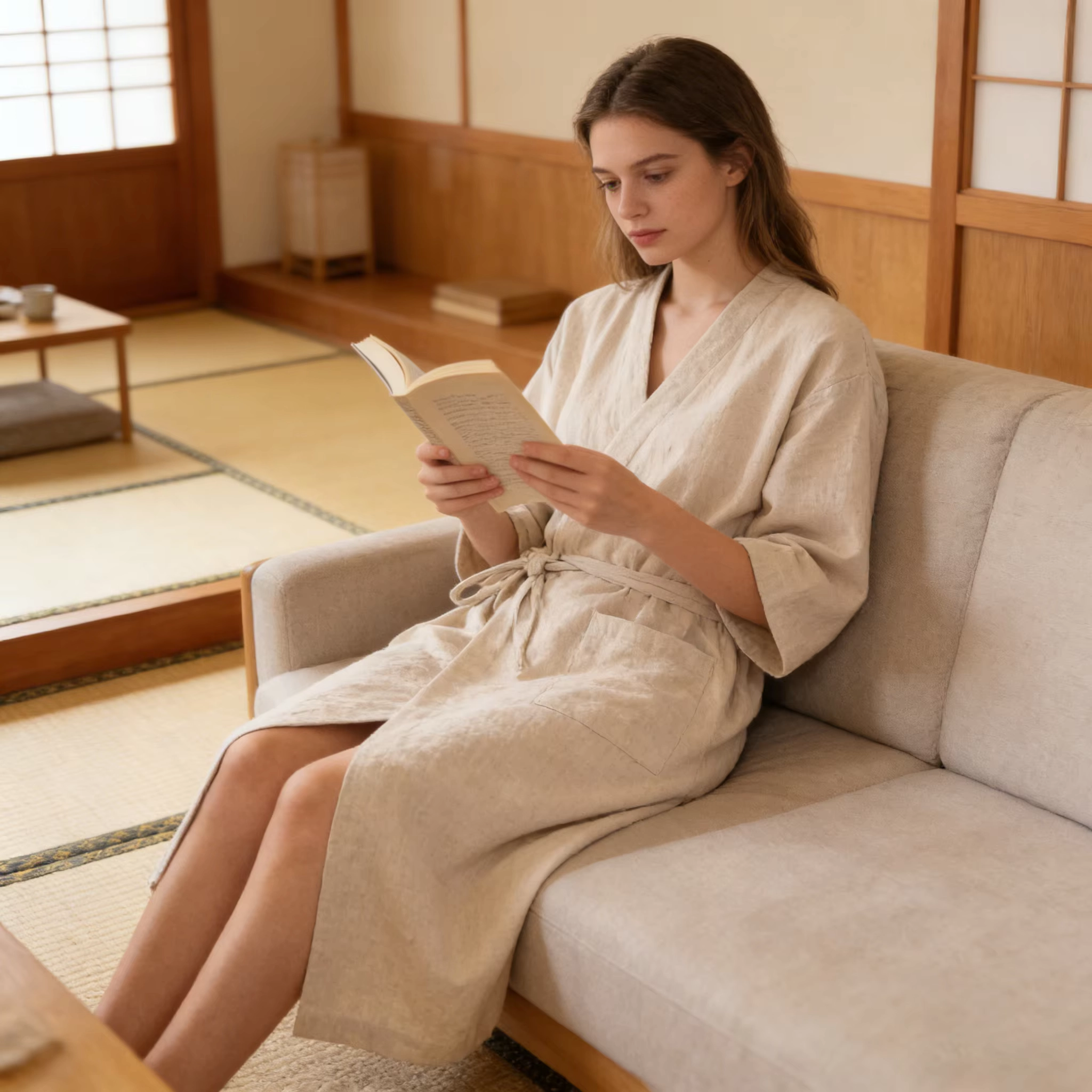
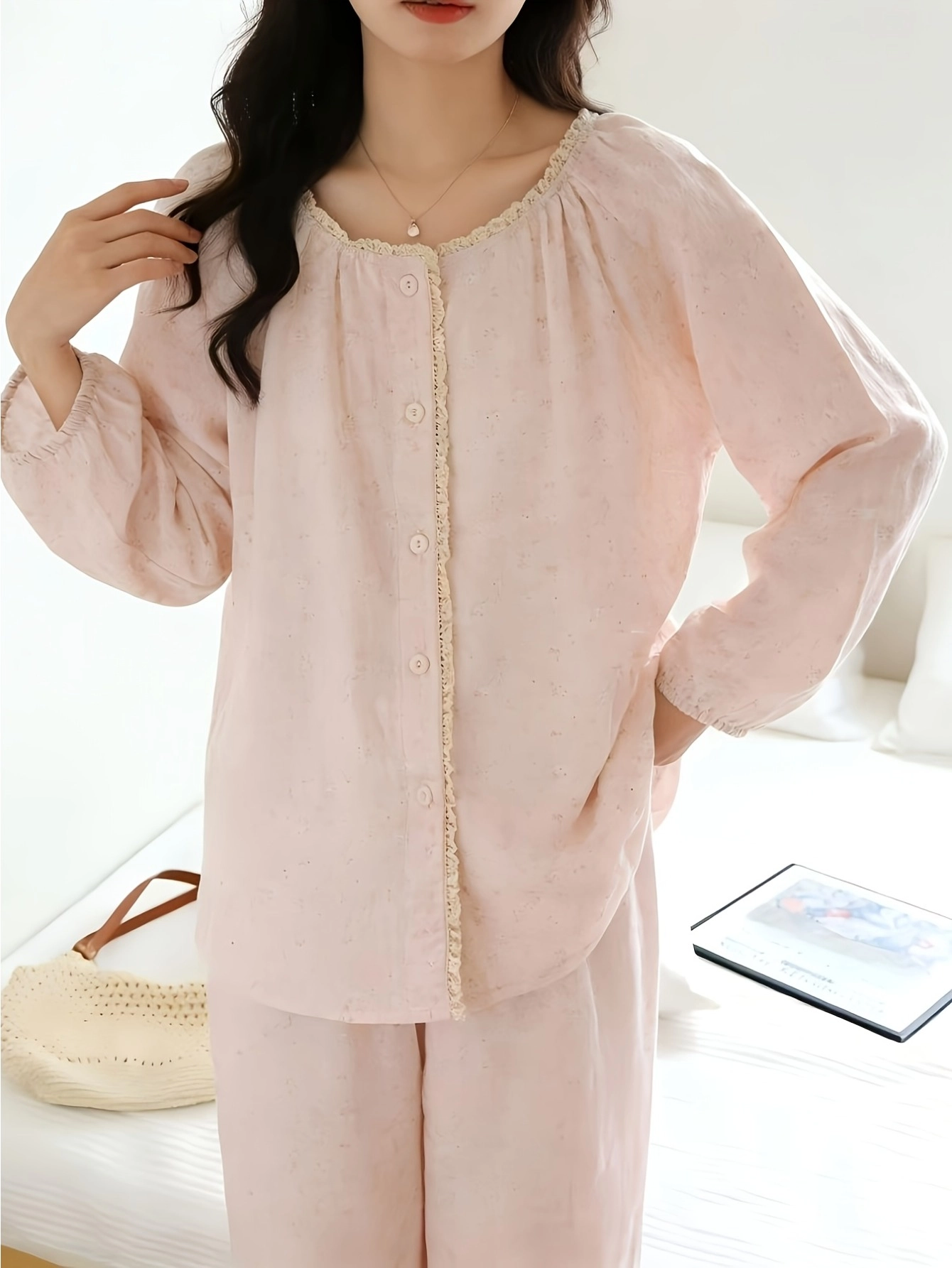
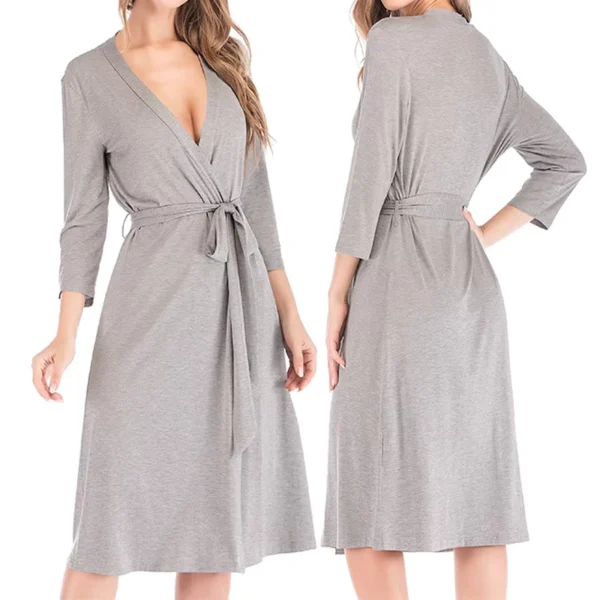
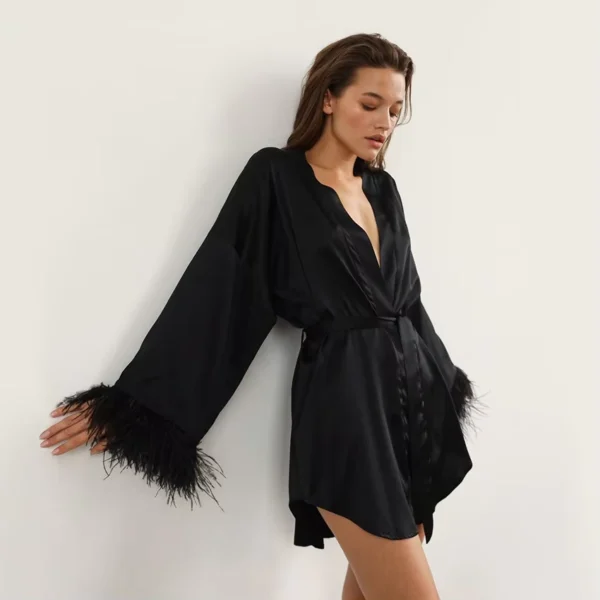
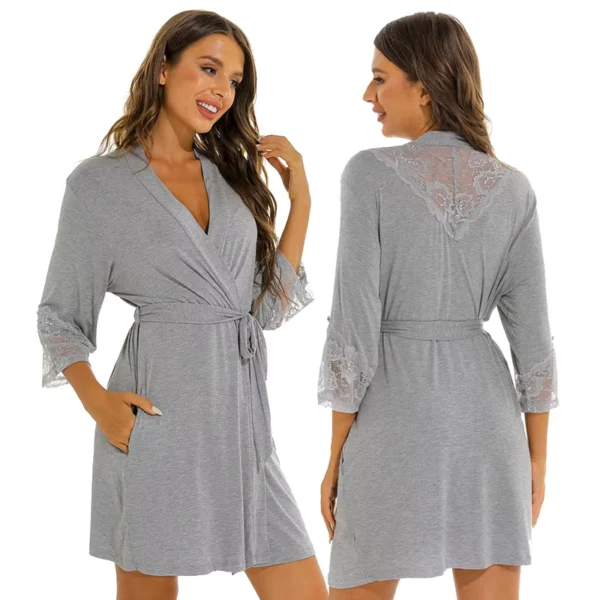
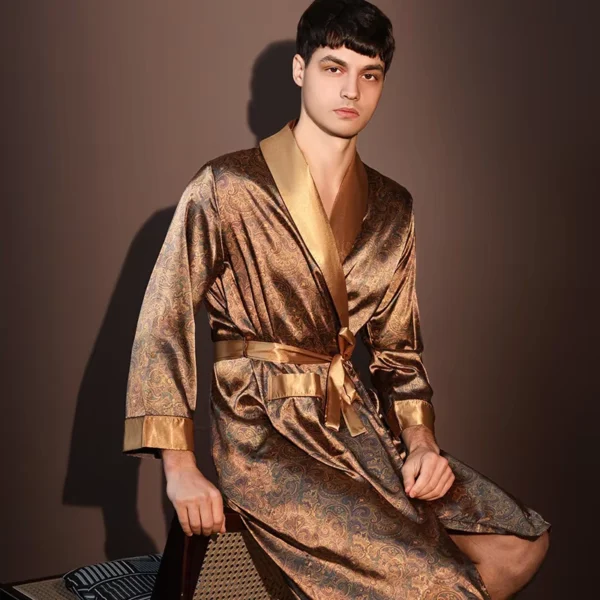
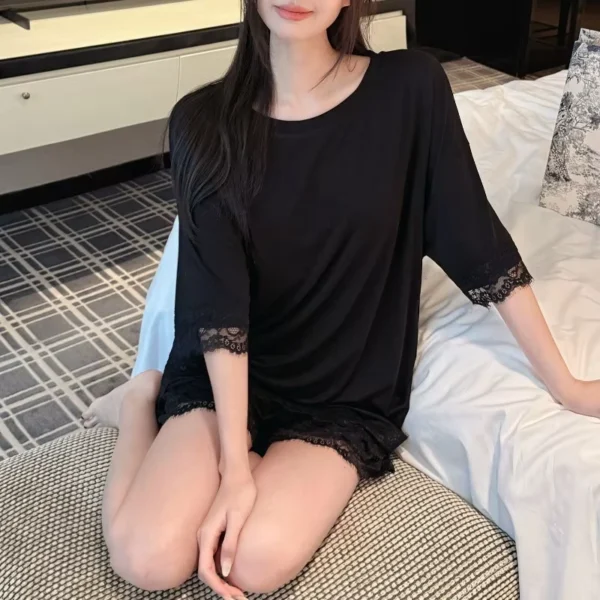
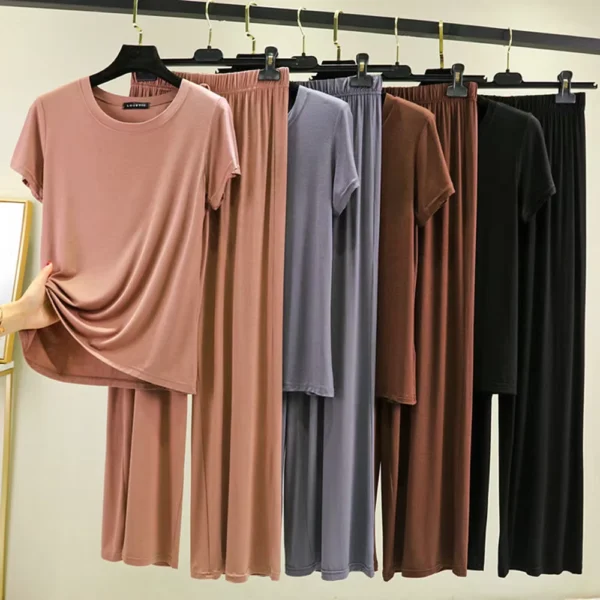
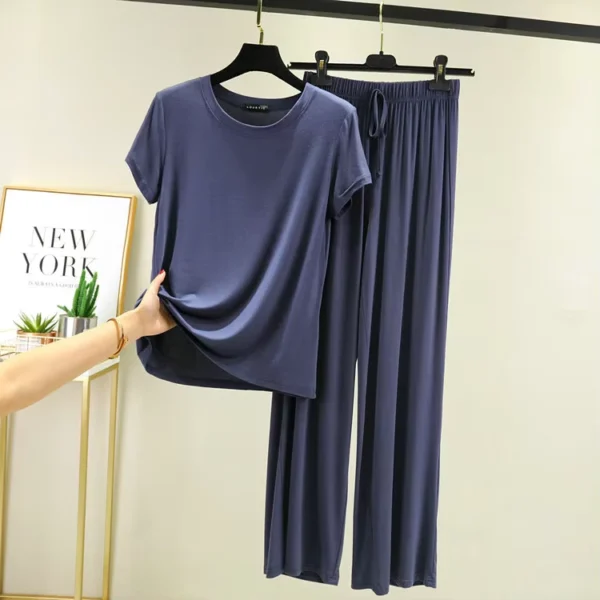
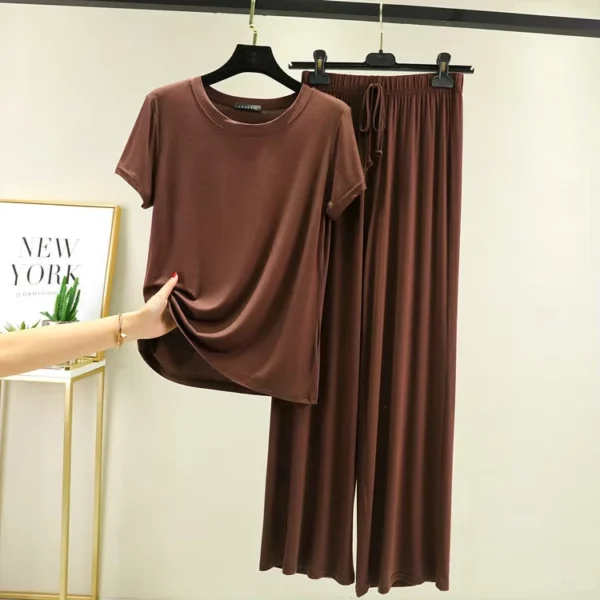
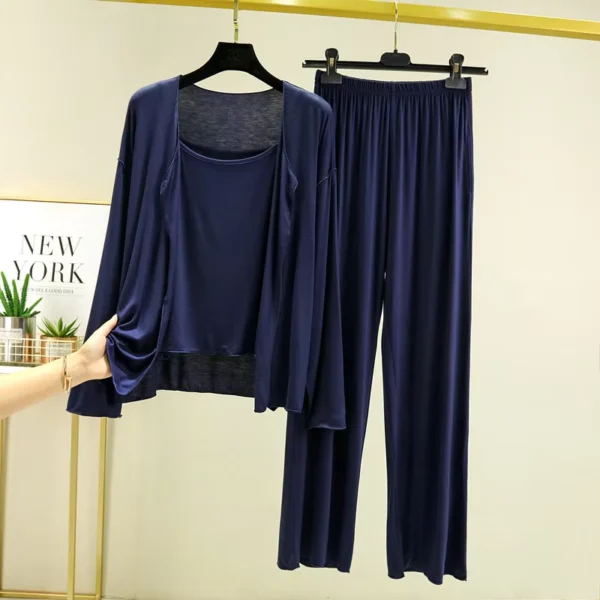
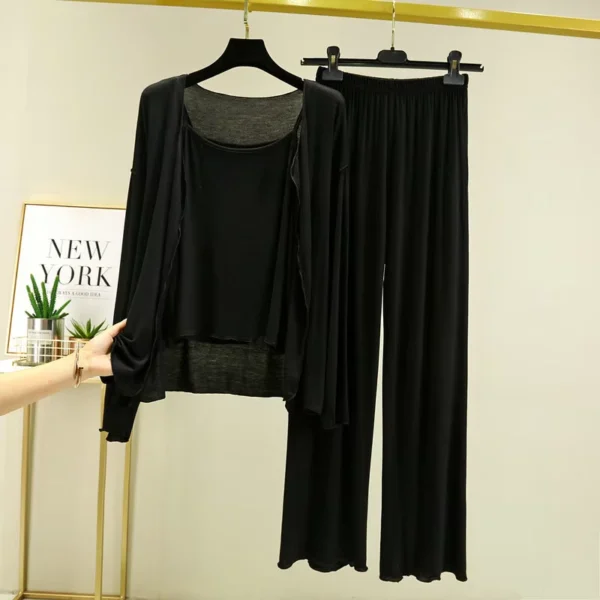
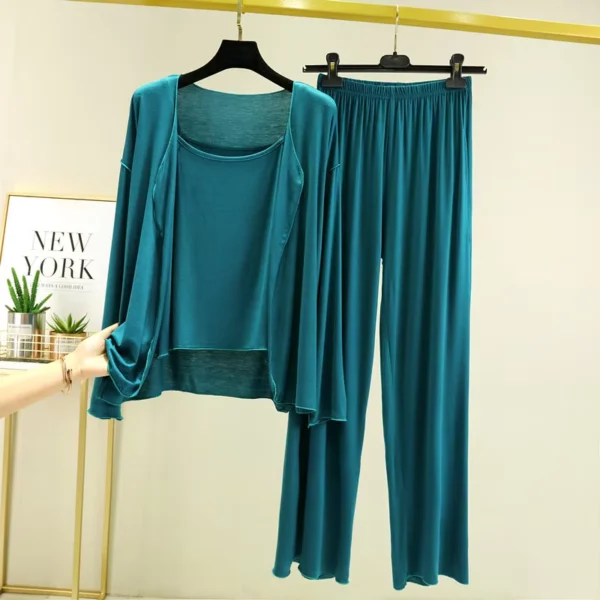
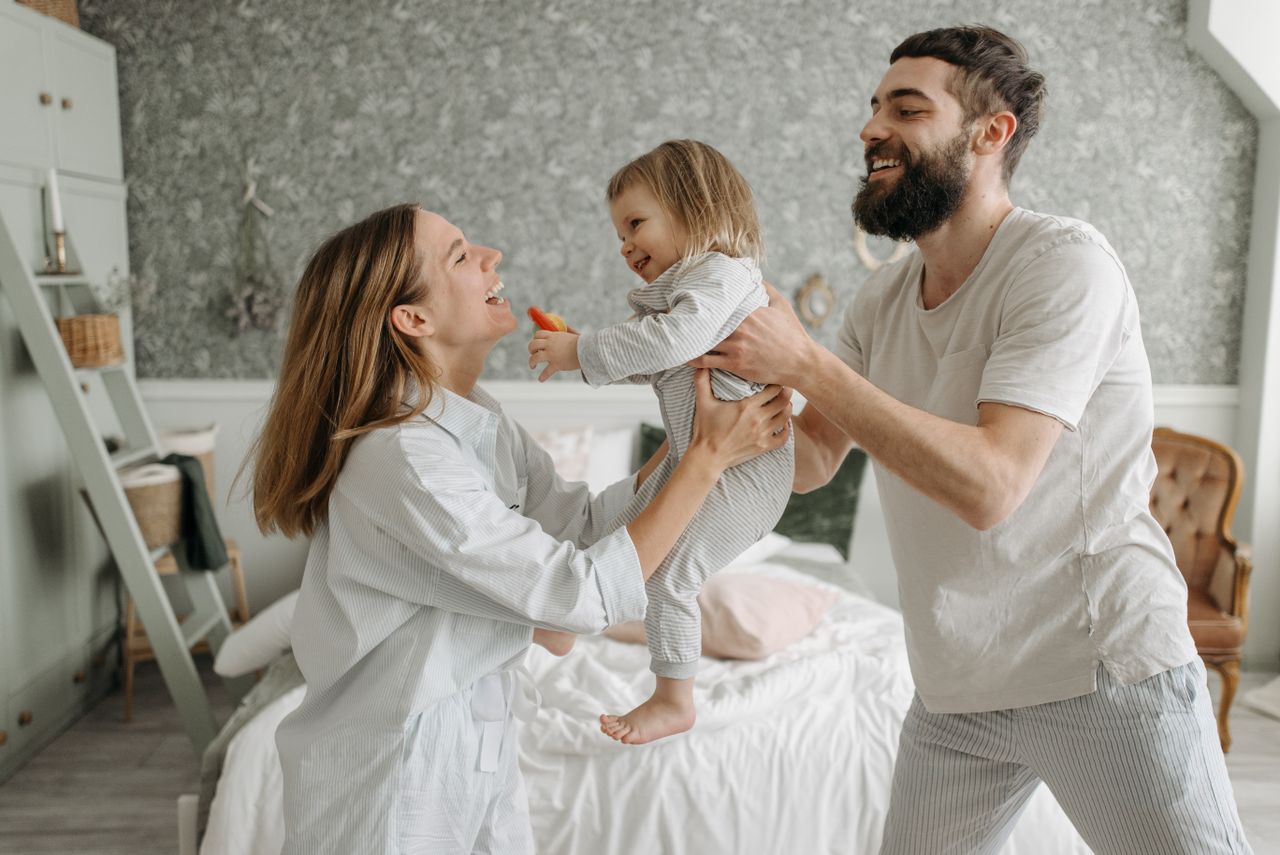
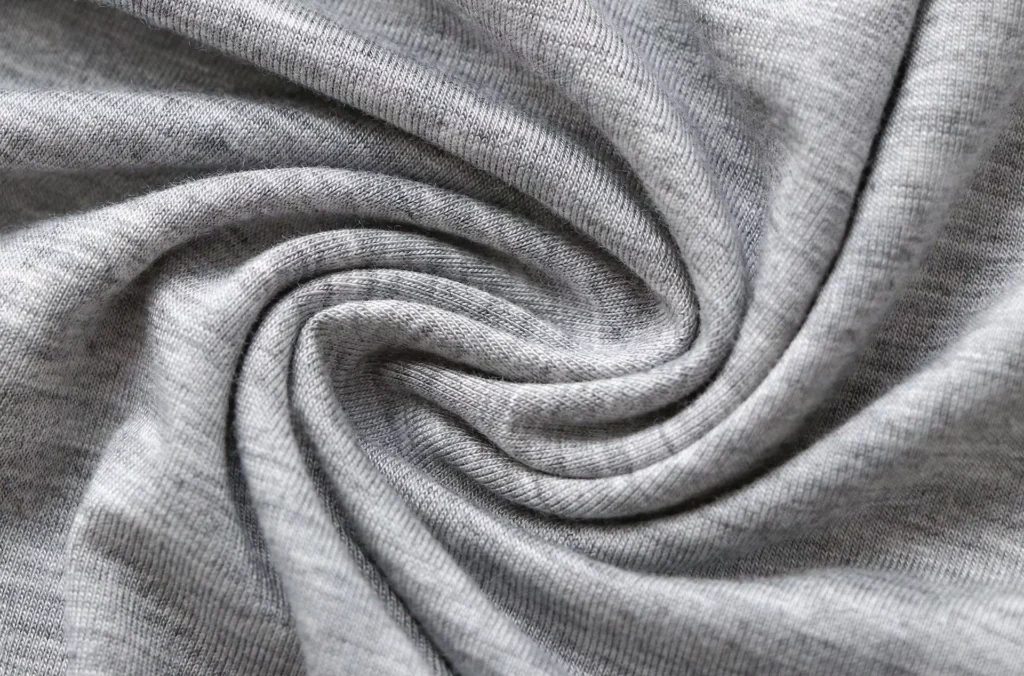
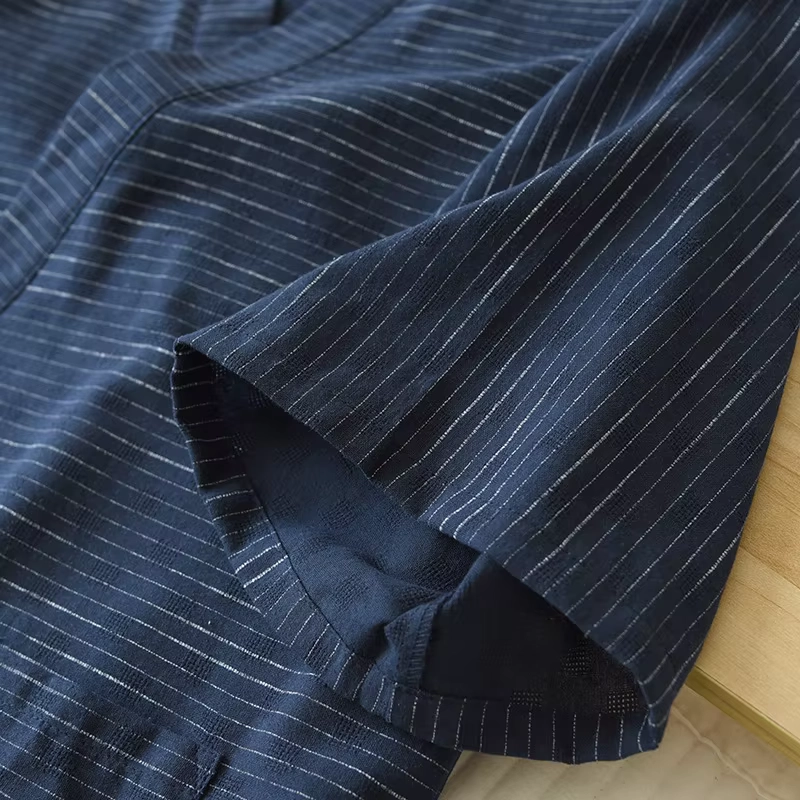
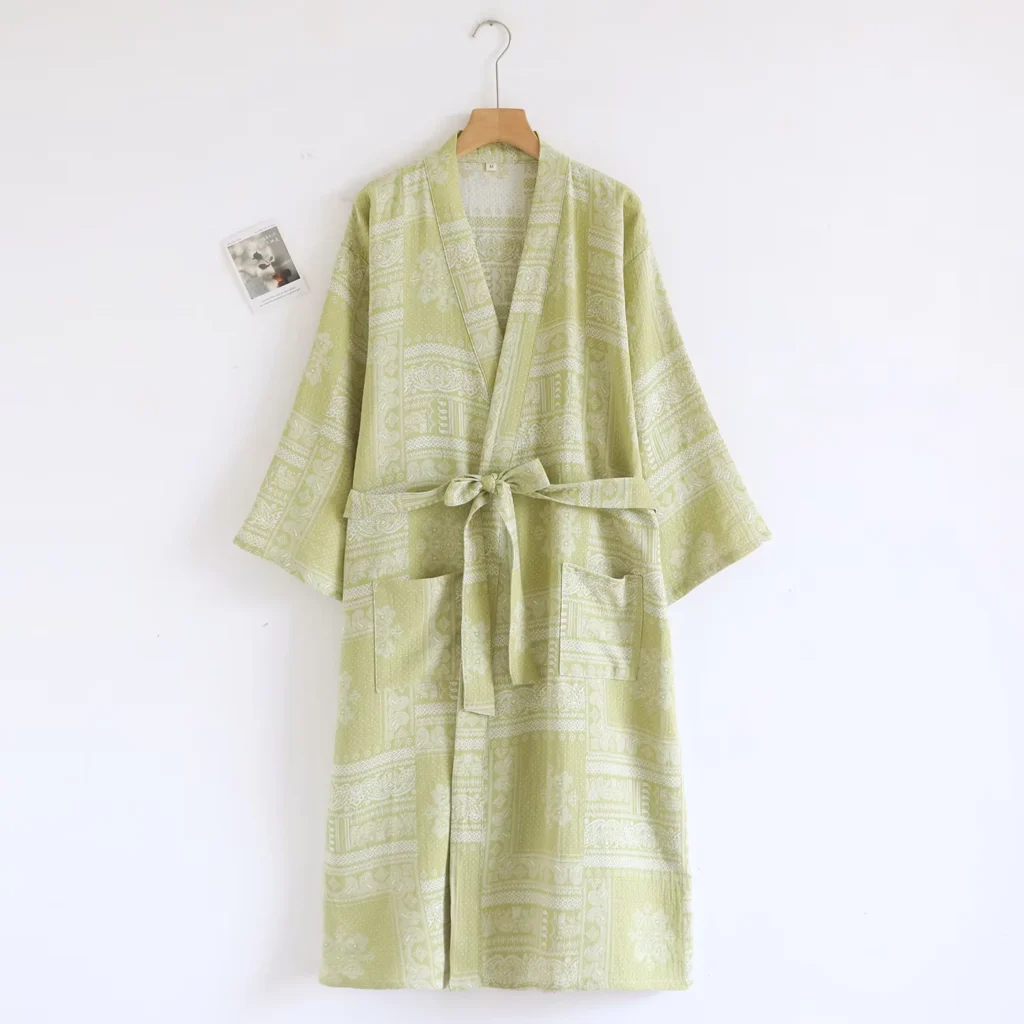
When people think about improving sleep, they usually focus on the mattress, pillows, bedding, lighting, or room temperature. Sleepwear is often treated as an afterthought, even though it remains closer to the body than almost anything else throughout the night. Pajamas cannot guarantee better sleep or solve an underlying sleep problem, but they can influence whether the body feels cool, unrestricted, and comfortable enough to settle into rest. Temperature plays an important role in the sleeping environment. As bedtime approaches, the body naturally begins to cool, and excessive warmth can make it harder to remain comfortable. Lightweight, breathable sleepwear allows heat and moisture to move away from the skin more easily, while dense or poorly ventilated fabrics may trap warmth beneath the bedding. The right choice depends on the season, room temperature, bedding weight, and whether the wearer naturally sleeps warm or cold. Fit matters just as much as fabric. The body changes position repeatedly during the night, moving the shoulders, bending the legs, turning at the waist, and shifting beneath the covers. Sleepwear that feels comfortable while standing may become restrictive after several hours in bed. Tight waistbands can press into the body, narrow sleeves can pull across the shoulders,